







Search Results for: white sugar

There's an art to adding sugar to coffee: which coffees are best suited to white sugar, brown sugar, and caramel?
Many people are used to adding sugar to their coffee to neutralize the bitterness, but with so many different types of sugar out there, which one pairs best with coffee? There's actually no absolute answer. Because of differences in production methods and composition, different sugars bring entirely different levels of sweetness, aroma, and mouthfeel to coffee. The sugars commonly found in coffee shops are mainly white sugar, brown sugar, and caramel, and each suits a different type of coffee. White sugar is pure and versatile, brown sugar retains the flavor of sugarcane and is better suited to black coffee, while caramel adds an extra layer of toasted aroma. Today Front Street Coffee will talk about the finer points of using these sugars, to help you find the sweet companion that best suits your cup of coffee. [more…]
There's an art to adding sugar to coffee too: the differences between white sugar, yellow sugar, and caramel and pairing suggestions
Many people are used to adding sugar to their coffee to neutralize bitterness, but sugar does far more than that—it can also enhance the smoothness and body of the coffee. Faced with the dazzling array of sugars on the market, coffee lovers are often puzzled: which sugar pairs best with coffee? Front Street Coffee believes there is no absolute "best" sugar, as different sugars bring distinctly different flavor effects to coffee due to their own characteristics. This article reviews several of the most common sugars found in coffee shops—white granulated sugar, yellow sugar, and caramel—introducing their origins, characteristics, and the types of coffee they suit, to help you make a more suitable choice in your daily drinking. [more…]
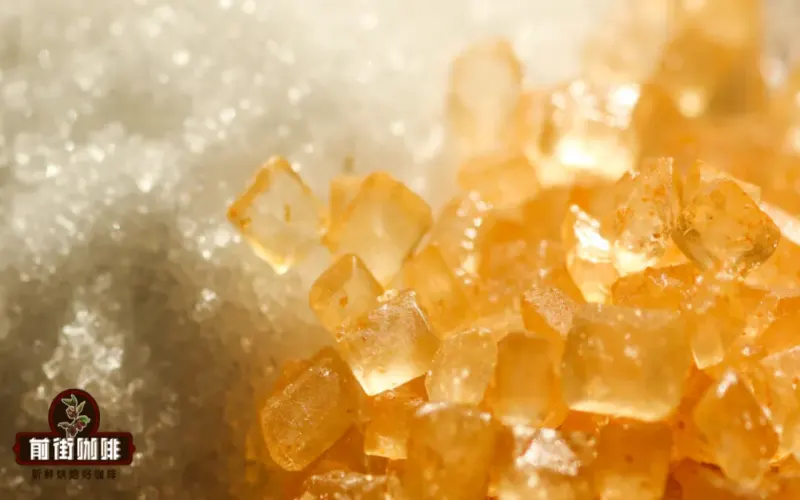
A Complete Guide to Coffee and Sugar: What's the Difference Between White Sugar and Brown Sugar? Sharing How to Make a Caramel Latte
At a time when coffee quality is steadily improving, many enthusiasts still habitually add sugar to their cups. Adding sugar not only masks bitterness but also gives coffee a rounder, fuller mouthfeel. With such a wide variety of sugars on the market, which one pairs best with coffee? This article starts with the differences between white granulated sugar and yellow sugar, analyzes how different sugars affect coffee flavor, and brings you the specific method for making a Caramel Latte. At the same time, Front Street Coffee will also share practical views on sugar for coffee based on our store experience, helping you make more suitable choices in your daily brewing or café visits. [more…]

Luckin's Blue Sky White Cloud Latte is explosively sweet, and the clumping problem with the blue sugar powder is making baristas miserable.
Luckin Coffee's R&D team recently launched a drink inspired by summer's blue skies and white clouds — the Blue Sky White Cloud Latte. Built on the coconut cloud latte recipe and dusted with sky-blue sugar powder, it looks stunning but has triggered a wave of complaints about its sweetness. Many netizens report that even when they request less sugar or no sugar, the finished drink is still so sweet it clogs the throat, with the coffee flavor completely masked. At the same time, baristas complain that the blue sugar powder clumps极易 easily, requiring forceful breaking apart before dusting, yet even distribution remains difficult, and the flying powder tends to attract insects. Another drink, the Coconut Mille-Crepe Nari Ice, is similarly sweet, but fares slightly better in reputation thanks to its slushy texture that blends more smoothly. This article takes a detailed look at the taste performance, production difficulties, and consumer feedback of these two new products, offering a reference for coffee lovers. [more…]
How do you pronounce Starbucks Flat White? Does it contain sugar? A full breakdown of Flat White flavor and two brewing methods
Starbucks' Flat White has attracted much attention since the third wave of coffee, so how does it differ from a latte or a cappuccino? This article begins with its pronunciation, whether it contains sugar, and its flavor performance, sorts out the differences between the two ways of making flat white in Australia and New Zealand, and explains the difference between Ristretto and regular espresso. Front Street Coffee uses the Sunflower Warm Sun blend to recreate the formulas of the two schools respectively, presenting fermented wine aromas, berry-like sweet acidity, and caramel-nut notes, helping you understand this cup of milk coffee more systematically. [more…]
Does Flat White Contain Sugar? A Detailed Explanation of the Number of Espresso Shots and the Production Process of Luckin's Aussie White
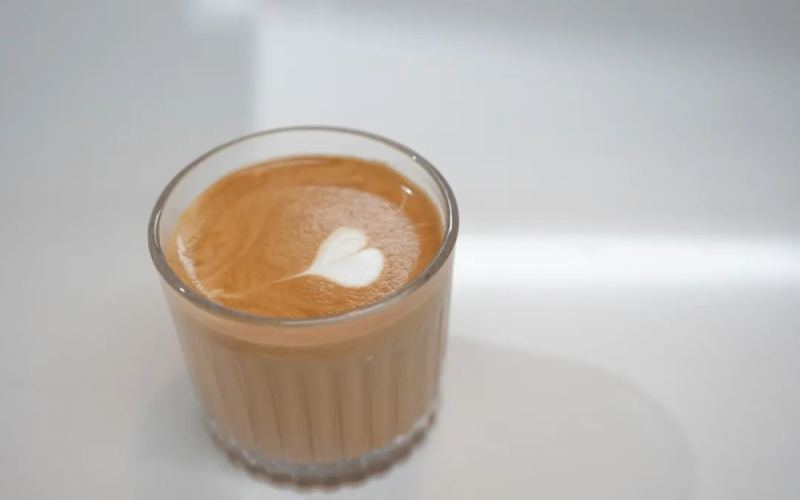
Flat White coffee, which is called Fu Rui Bai on Starbucks menus and Ao Rui Bai at Luckin, comes with no sugar by default and highlights the richness of coffee and the smoothness of milk. Its biggest difference from a latte lies in the thinner milk foam, smaller cup size, and lower proportion of milk, while the espresso base is often switched to Ristretto. This article breaks down the production logic of a Flat White from the perspectives of milk foam thickness, milk quantity, and espresso extraction parameters, and, combined with Front Street Coffee's store serving plan, introduces the flavor performance of Warm Sun blend beans in a Flat White, helping coffee lovers understand why this milk coffee tastes richer. [more…]

What to Do If Espresso Is Too Bitter to Drink Straight? A Complete Guide to Fancy Ways to Enjoy It with Sugar, Milk, Lemon, and More
Espresso is extremely concentrated with intense flavor, but not everyone can accept its strong bitterness when drunk straight. Without changing the concentration of the espresso, adding sugar, dairy products, lemon, salt and other seasonings to balance the bitterness allows people to enjoy the richness of highly concentrated coffee while avoiding the unpleasant bitterness. This article summarizes a variety of fancy ways to drink espresso: the sweet neutralization of white sugar, yellow sugar, and brown sugar; the cream topping of Con Panna; the small amount of milk garnish of Macchiato; the condensed milk pairing of Spanish candy coffee; the balance of lemon acidity and granulated sugar in Roman espresso; and the little trick of adding salt to reduce bitterness. All espresso in this article is extracted using Front Street Classic Blend, with parameters of 20g, 30s, 40ml, and flavor notes of chocolate, nuts, cream, and cookies. [more…]
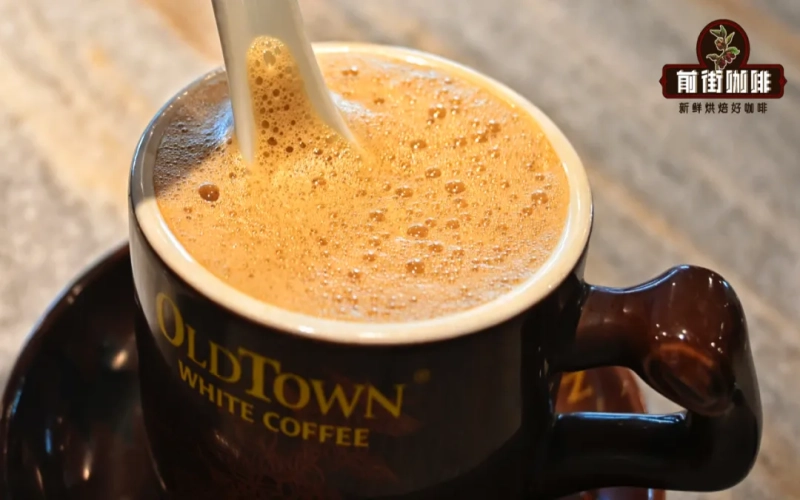
Tracing the Origins of Ipoh White Coffee: A Guide to the Meaning of Nanyang-Style White Coffee and White Coffee O
Ipoh white coffee is a coffee beverage with a distinctive Nanyang flavor from Malaysia, and its origins can be traced back to the Chinese community that migrated to Ipoh before World War II. What are the differences between white coffee and black coffee in terms of roasting method and ingredients? What do white coffee black and white coffee silk each represent? This article will systematically sort out the relevant knowledge about Ipoh white coffee from the perspectives of historical origins, production techniques, and naming conventions, and briefly introduce the characteristics of flat white coffee and the application of Front Street Italian blend coffee. [more…]

Does Starbucks Flat White Contain Sugar? A Full Analysis of the Authentic Aussie White Coffee Method and Espresso Extraction
Flat white and Australian white actually both refer to the same classic milk coffee originating from Australia—the Flat White, which is habitually called "澳白" (Australian White) in Chinese coffee circles. Although it shares similar ingredients with a latte and a Dirty, the ratios and preparation methods are completely different. This article will start with the ingredient proportions, dissecting the differences among these three Italian-style milk coffees one by one, and will explain around the espresso extraction methods for Australian White coffee: the respective characteristics of a double Espresso and a double Ristretto, and the key points for controlling the powder-to-liquid ratio and extraction time. At the same time, drawing on Front Street Coffee's production experience, it introduces the blend bean choices suitable for making Italian-style milk coffees, as well as the complete process and flavor layer changes when using "Warm Sun Blend" to make an Australian White, helping coffee enthusiasts recreate a cup of Australian White with clear flavor at home. [more…]

The Origin of Caramel Macchiato and Creative Ways to Make It: A Complete Tutorial on Using a Torch to Create a Crispy Caramel Topping
The thin, crisp caramel shell on top of a crème brûlée leaves a lasting impression, and the coffee world actually has a drink that takes caramel as its soul—the caramel macchiato. However, the common approach is merely drizzling caramel syrup over the milk foam, which lacks a crisp texture. This article will walk you through the evolution from macchiato to caramel macchiato, and share in detail a creative method of using a torch to toast white sugar on the spot, forming a golden caramel crisp on the surface of the milk foam. From espresso extraction and milk frothing to sprinkling sugar and torching, every step comes with specific parameters and key operational points. If you prefer sweet coffee and enjoy a rich, layered taste experience, this caramel macchiato—crisp on the outside and tender on the inside—is well worth trying your hand at. [more…]
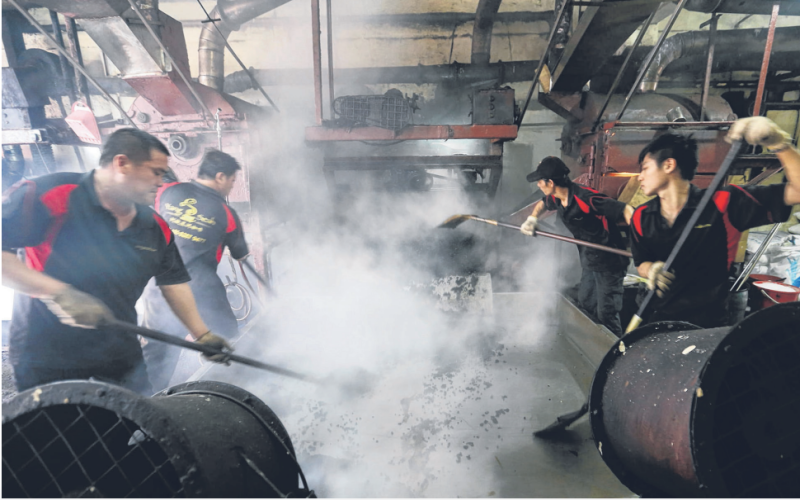
How Does Malaysian White Coffee Differ from Black Coffee? A Full Analysis of White Coffee's Flavor, Preparation, and Its Connection to Flat White
What exactly is the difference between Malaysian white coffee and black coffee? Is white coffee really healthier and tastier? This article starts with the origins, roasting methods, and flavor characteristics of white coffee, sorts out how it differs from Malaysian black coffee, and extends to the Aussie white (flat white) that is often called "white coffee" today. You will also see how Starbucks makes its flat white, the differences between the iced and hot versions, and the parameters and steps for making a flat white at home using Front Street Coffee's classic espresso blend beans, along with a comparison of the differences between a flat white and a latte in milk foam thickness, cup size, and espresso base. [more…]
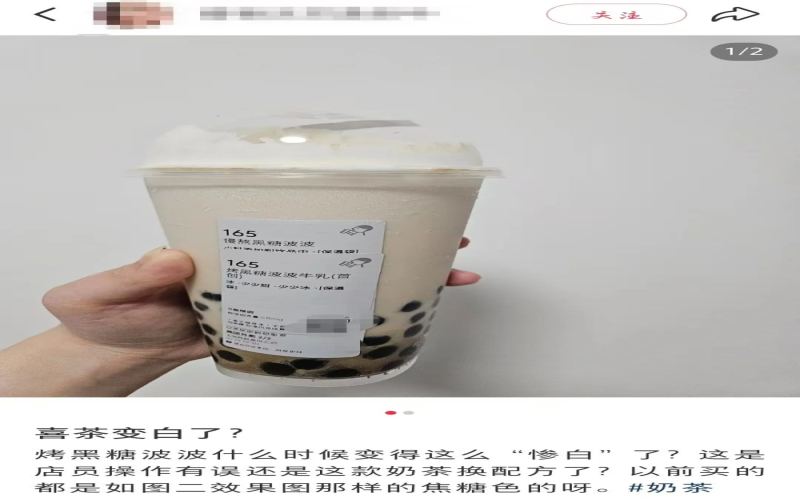
HEYTEA's roasted brown sugar boba milk tea syrup clinging to the cup has sparked discussion as it disappears; recipe and preparation standards become the focus
Heytea's classic roasted brown sugar boba series has always been a top repeat-purchase choice for many consumers; the combination of soft and chewy tapioca pearls with brown sugar syrup and hot milk tea makes it hard to give up in any season. However, recently, many enthusiasts across the country have noticed that the brown sugar boba milk tea they received has visibly "turned white" in appearance. The signature dark brown syrup coating that used to cling to the cup wall is no longer visible, and the boba no longer sinks to the bottom together with the brown sugar syrup, but instead floats distinctly as separate particles suspended in the milk tea. This change quickly sparked discussion: is it caused by the syrup dissolving due to stirring in a hot drink, or has the brand quietly adjusted its ingredients and formula? Heytea staff give differing accounts, while the official account denies any formula change and attributes the cause to some stores failing to prepare it according to standard. This article compiles consumer feedback and responses from various parties, and includes relevant recommendations from Front Street Coffee, for the reference of coffee and tea beverage enthusiasts. [more…]
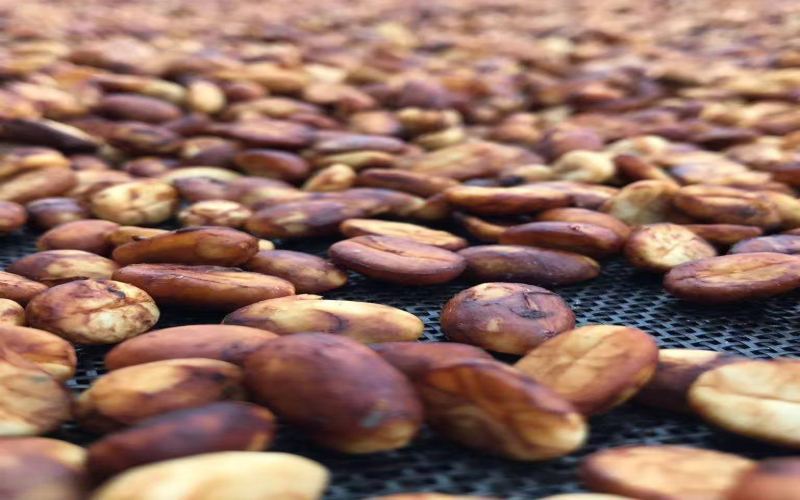
Honey-Processed Coffee Beans: A Complete Guide to Pectin Retention and Flavor Differences from White Honey to Black Honey
Honey processing is not about processing coffee beans with honey, but rather about retaining different proportions of mucilage for fermentation and drying, thereby creating a rich layering of sweetness and fruity notes. This article will trace the evolution of honey processing from Brazil's pulped natural method to its refinement in Central and South America, explain in detail the key role of mucilage in fermentation, and compare one by one the mucilage retention, drying duration, turning frequency, and raw bean appearance and aroma characteristics of white honey, yellow honey, red honey, and black honey. At the same time, the article also introduces the honey-processed Guatemala New Oriente Geisha on Front Street Coffee's bean list, whose sweet orange, toffee, and bergamot flavors are deeply impressive. [more…]

How to Set Your Coffee Grind Size? A Complete Guide to the No. 20 Sieve Calibration Method and Brewing Assessment
Many coffee enthusiasts feel confused after getting coffee beans: which grinder setting should they actually use? In reality, the burr designs and setting standards of grinders from different brands vary greatly, and the same number on different devices can produce dramatically different particle sizes. Therefore, when Front Street Coffee performs daily grind calibration, it uses the Chinese No. 20 standard sieve (0.85 mm aperture) to measure the passing rate as a unified reference. This article will start with the specific steps for sieve calibration, combine different roast levels and brewing methods to give grinding recommendations, and share how to judge whether the grind is appropriate based on brewing time and the settling state of the coffee bed, helping you build a grind assessment system that does not rely on grinder settings. [more…]
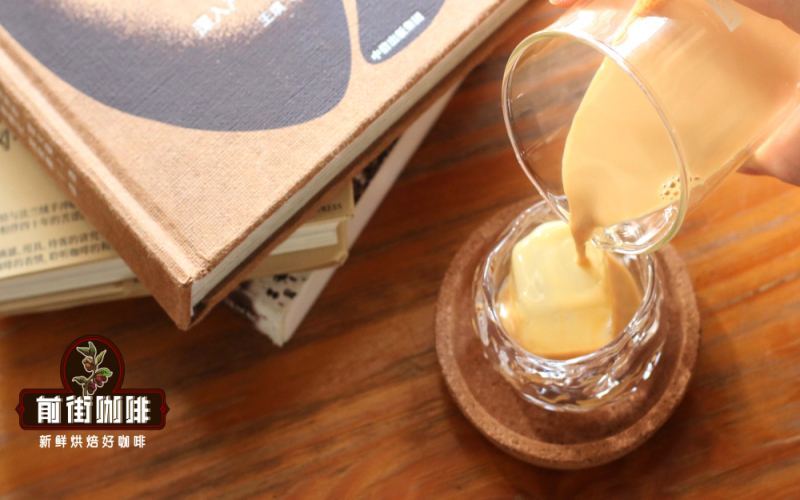
The White Mystery of White Coffee: The Origins, Production, and Difference from Flat White of Malaysia's Specialty White Coffee
White coffee is a highly representative specialty coffee of Malaysia, but it is not named for being white in color. Rather, it is made by processing coffee beans together with skimmed milk powder, giving the finished product a lighter color than regular coffee and a more refreshing taste. This beverage, invented by Chinese who migrated to Malaysia, uses a blend of three types of coffee beans—Liberica, Arabica, and Robusta—which are roasted, extracted, and then combined with sugar and non-dairy creamer to make an instant powder. Today it has become a daily necessity for locals and a must-buy souvenir for tourists. At the same time, another popular claim online points white coffee toward Australia's Flat White. This article will help you clarify the true meaning of white coffee, understand the production process of Malaysian white coffee, and get to know the unique features of the Aussie white, an espresso-based milk coffee. [more…]
What is the origin of the name white coffee? How should Malaysian white coffee and Australian flat white be distinguished?
Many people, upon first hearing "white coffee," assume it is named for its pale color. In reality, white coffee refers to different things depending on the context. It can denote a highly representative instant coffee product from Malaysia, or it can refer to the milk coffee category in Australian cafés that stands in contrast to black coffee. Malaysian white coffee is typically a blend of three bean types—Liberica, Arabica, and Robusta—which are roasted, extracted into soluble solids, and then combined with sugar and non-dairy creamer to make a powder. In the Australian context, however, white coffee refers to the flat white. This article will examine the naming, origins, and production methods of white coffee, as well as how it differs from the flat white, to help coffee enthusiasts untangle these two easily confused concepts. [more…]
Honey Processed Coffee Classification Explained: Pectin Retention and Flavor Differences Between Black Honey, Red Honey, Orange Honey, Yellow Honey, and White Honey
Honey processing does not mean processing coffee with honey; rather, it is a green bean processing method that retains mucilage for fermentation and drying. It originated from Brazil's pulped natural method and was later improved in Central and South America, being subdivided by mucilage retention and turning frequency into types such as black honey, red honey, orange honey, yellow honey, and white honey. Different honey colors correspond to different drying durations, turning frequencies, and cup flavors. This article will break down everything from the structure of the coffee cherry and the properties of mucilage to each honey processing grade, and includes Front Street Coffee's Guatemala New Oriental Geisha recommendation and pour-over suggestions to help coffee lovers understand the source of sweetness in honey processing and the key brewing points. [more…]

The Origins of White Coffee and How It Differs from Black Coffee: A Comprehensive Analysis of Malaysian White Coffee and Flat White
We are all familiar with black coffee, which refers to pure coffee with no added ingredients that affect the taste. But since there is black, is there also white? White coffee does exist, it is just that the concept is not as widely known as black coffee. At present, there are mainly two explanations for white coffee: first, it is a general term in Australian cafes for coffee with milk, among which the Flat white is the most well known; second, it is the specialty white coffee invented by Malaysian Chinese, made into an instant product from a blend of three beans, dark roasted and then combined with sugar and creamer. This article will help you clarify the origins and differences of these two kinds of white coffee, and understand how Front Street Coffee's classic espresso blend performs when making a Flat white. [more…]
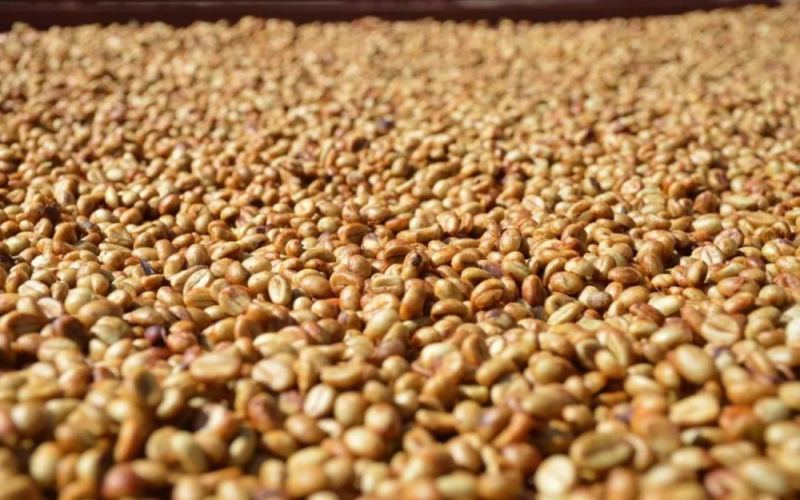
In-Depth Analysis of Honey Processing: A Comparison of Craft Differences and Flavor Characteristics Across Yellow, Red, Black, and White Honey
Honey processing is a coffee processing method that falls between natural and washed processing. Its name comes from the Spanish word "Miel" (honey), and it first emerged in Costa Rica, where it developed into several color classifications. The different honey colors depend on the amount of mucilage retained and the degree of fermentation, resulting in flavor profiles ranging from ripe-fruit sweetness to bright acidity. This article will systematically introduce the origins and background of honey processing, its water-saving and environmentally friendly advantages, the mechanism of mucilage, and the specific differences among black honey, red honey, yellow honey, and white honey in terms of mucilage retention ratio, drying duration, turning frequency, and green bean appearance. At the same time, by combining examples such as Front Street Coffee's Guatemala New Orient Geisha, it will help enthusiasts understand the core logic and key tasting points of this processing method. [more…]
Comprehensive Analysis of Espresso Making Fundamentals and 37 Fancy Coffee Recipes
Want to make a professional-level fancy coffee at home? This article systematically organizes the basic techniques for making espresso and provides detailed recipes and steps for 37 classic fancy coffees. From basic ESPRESSO to latte, mocha, cappuccino, and specialty drinks like Turkish coffee and Irish coffee, each one covers the required ingredients, preparation method, and key points to note. Whether you are a coffee novice or a seasoned enthusiast, you can find a preparation plan that suits you. Front Street Coffee's premium beans are especially recommended to help you easily enhance the coffee's flavor. [more…]